Sector Rotation#
Sector rotation is an investment strategy that involves shifting investments between different sectors of the economy based on the anticipated performance of those sectors. The goal of sector rotation is to capitalize on the business cycle or other market trends to achieve higher returns or reduce risk.
Here’s a comprehensive guide to sector rotation from scratch:
1. Understanding Sectors#
What are Sectors?: In finance, sectors represent different segments of the economy, such as technology, healthcare, finance, consumer discretionary, energy, etc.
Sector Classification: Sectors are classified based on the type of products or services provided by companies within those sectors. Each sector may perform differently depending on various factors like economic conditions, technological advancements, regulatory changes, etc.
Importance of Sectors: Analyzing sectors allows investors to diversify their portfolios and potentially capitalize on specific market trends or economic conditions.
2. Business Cycle and Sector Performance#
Business Cycle Phases: The economy moves through different phases of the business cycle, such as expansion, peak, contraction, and trough. Different sectors tend to perform better or worse depending on the phase of the business cycle.
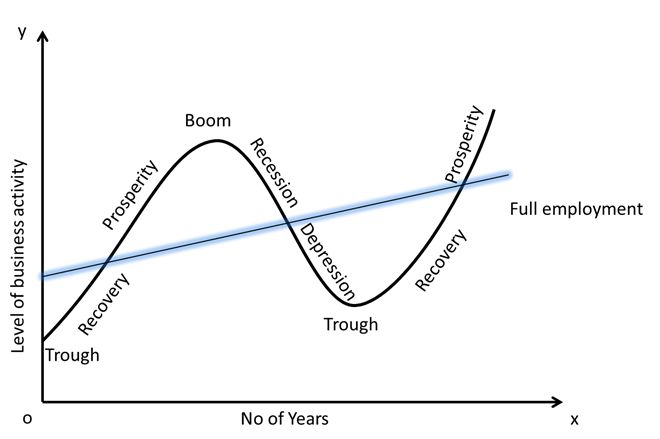
Sector Performance During Business Cycle Phases:
Early Cycle: Sectors like technology, consumer discretionary, and industrials tend to perform well as the economy emerges from a recession.
Mid Cycle: Sectors like consumer staples, healthcare, and utilities often perform well during stable economic growth.
Late Cycle: Sectors like energy, materials, and financials may outperform during the later stages of economic expansion.
Defensive Sectors: Sectors like healthcare, consumer staples, and utilities are considered defensive and tend to perform relatively well during economic downturns.

3. Sector Rotation Strategy#
Basic Principle: The sector rotation strategy involves shifting investments among different sectors based on their expected performance relative to the overall market or other sectors.
Top-Down Approach: Investors typically use a top-down approach, starting with an analysis of macroeconomic indicators and market trends to identify sectors likely to outperform.
Technical Analysis: Investors may also use technical analysis techniques to identify sectors showing relative strength or momentum in the market.
Fundamental Analysis: Fundamental analysis involves evaluating the financial health, growth prospects, and valuation of companies within specific sectors.
Active Management: Sector rotation strategies often require active portfolio management to adjust sector allocations based on changing market conditions.
4. Implementing Sector Rotation#
ETFs and Sector Funds: Investors can implement sector rotation strategies using exchange-traded funds (ETFs) or sector-specific mutual funds that focus on particular sectors.
Stock Selection: Alternatively, investors can select individual stocks within sectors they believe will outperform or underperform based on their analysis.
Rebalancing: Regularly rebalancing the portfolio is essential to maintain the desired sector allocations and adapt to changing market conditions.
5. Risks and Considerations#
Sector Concentration Risk: Overweighting certain sectors can increase portfolio concentration risk if those sectors underperform.
Timing Risk: Predicting sector performance accurately can be challenging, and mistimed sector rotations may lead to underperformance.
Diversification: While sector rotation can enhance returns, it’s essential to maintain a diversified portfolio to mitigate specific sector risks.
6. Monitoring and Evaluation#
Continuous Analysis: Sector rotation requires continuous monitoring of economic indicators, market trends, and sector-specific factors to make informed investment decisions.
Performance Evaluation: Regularly evaluate the performance of sector rotation strategies against relevant benchmarks to assess their effectiveness.
Conclusion#
Sector rotation is a dynamic investment strategy that aims to capitalize on changing market conditions and economic trends by shifting investments among different sectors. By understanding the business cycle, sector performance dynamics, and implementing appropriate analysis techniques, investors can potentially enhance returns and manage risk effectively through sector rotation strategies. However, it’s crucial to recognize the inherent risks and complexities involved and to maintain a disciplined approach to portfolio management.
[7]:
import pandas as pd
import matplotlib.pyplot as plt

# Sample data for sectors
sectors = ['Technology', 'Healthcare', 'Finance', 'Energy', 'Consumer Discretionary']
momentum = [0.8, 0.6, 0.7, 0.5, 0.9]  # Momentum scores (example values)
volatility = [0.5, 0.4, 0.6, 0.7, 0.8]  # Volatility scores (example values)

# Convert data to DataFrame
df = pd.DataFrame({'Sector': sectors, 'Momentum': momentum, 'Volatility': volatility})

# Plotting
plt.figure(figsize=(10, 6))

# Plot RRG
plt.scatter(df['Volatility'], df['Momentum'], s=100, c='blue', alpha=0.5)

# Plot arrows for each sector
for i, sector in df.iterrows():
    plt.arrow(0.5, 0.5, sector['Volatility'] - 0.5, sector['Momentum'] - 0.5, color='red', alpha=0.5, width=0.005, head_width=0.03)

# Annotate sectors
for i, sector in df.iterrows():
    plt.text(sector['Volatility'], sector['Momentum'], sector['Sector'], ha='right', va='center')

# Plot diagonal line (benchmark)
plt.plot([0, 1], [0, 1], '--', color='gray')

# Set labels and title
plt.xlabel('Volatility')
plt.ylabel('Momentum')
plt.title('Relative Rotation Graph')

# Set axis limits
plt.xlim(0, 1)
plt.ylim(0, 1)

# Show plot
plt.grid(True)
plt.show()
